
 Hedging
 Liquidity Solutions
 Cash Flow Forecasting
 Corporate Treasury Outsourcing
 Treasury Technology
 Connectivity
 Supply Chain Finance
 SME Forex
 Money Market Funds
Intro
Having an FX strategy is only half the job. The real value is created — or lost — when trades are executed in the market. Even a well-designed hedging strategy can fail if execution is rushed, poorly controlled, or weakly governed. Good FX execution is about making sure the right trade is done, at the right time, at a fair market rate, and with clear evidence to support it.
At TreasuryONE, we view FX hedging as an ongoing process, not a once-off transaction. Execution, monitoring and governance must work together to ensure the strategy you approve on paper is the outcome you actually achieve in practice.
1. What “Good FX Execution” Really Means
FX execution is not just about accepting a bank quote and placing a trade. It is about discipline and consistency. A strong execution process clearly defines who can trade, how prices are obtained, and how decisions are documented.
Good execution includes:
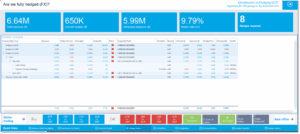
- Benchmarking every trade against reliable market rates at the exact time the deal is done
- Using approved banking counterparties with clear limits
- Reviewing outcomes quickly, so any unusual pricing is identified and explained
This approach helps ensure you are not quietly losing value through poor pricing or weak controls.
2. Governance That Protects People and Outcomes
Governance is often misunderstood as red tape. In reality, it protects the business — and the individuals making decisions — by proving that trades are controlled, authorised and compliant with policy.
Practical governance includes:
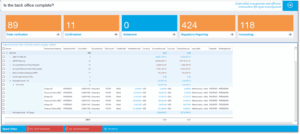
Two-person approval, where possible, to reduce errors or fraud
- Pre-trade checks, confirming the exposure exists, the instrument is allowed, and limits are available
- Post-trade documentation, including confirmations and rate checks
When governance is embedded into daily routines, audits become straightforward and stress-free.
3. Reporting That Supports Better Decisions
FX reporting should not be a long list of transactions. It should answer the questions senior management actually care about.
Effective reporting shows:
- Current exposure and hedge positions, by currency and maturity
- Performance versus objectives, such as budget rates or cash-flow protection
- Upcoming decision points, including maturities and rollover requirements
This creates a clear rhythm for decision-making and keeps leadership informed and confident.
4. Audit-Ready by Design, Not by Panic
Strong FX execution includes building documentation as you go. When confirmations, approvals and valuations are stored centrally and consistently, audit season becomes routine rather than disruptive.
Being audit-ready means:
- Clear evidence of approvals and policy compliance
- Transparent valuation methods and independent checks
- No surprises for auditors, boards or regulators
Final Takeaway
FX risk management works best when strategy, execution, and governance are tightly connected. When structure replaces ad-hoc decision-making, organisations stop reacting to currency volatility and start managing it with confidence.
At TreasuryONE, we help clients ensure that their FX strategies are not only well designed — but properly executed, well governed, and defensible.