
 Hedging
 Liquidity Solutions
 Cash Flow Forecasting
 Corporate Treasury Outsourcing
 Treasury Tecnology
 Connectivity
 Supply Chain Finance
 SME Forex
 Money Market Funds
Daily Market Report – 3 Aug 2026
US-Japan Intervention Shakes Currency Markets
Japan and the United States confirmed their first coordinated yen-buying intervention in 15 years, pledging to act again should currency volatility persist. The move has significantly increased the cost of betting against the yen, with Japanese two-year bond yields climbing to multi-decade highs as markets increasingly price in another Bank of Japan rate hike in September.
The coordinated action has also weakened the US dollar more broadly, providing relief for emerging market currencies. However, structural drivers behind yen weakness—including wide interest-rate differentials and elevated energy import costs—remain in place, suggesting the intervention’s impact could prove temporary without further policy tightening from the BOJ.
Iran Diplomacy Brings Relief to Energy Markets
Oil prices retreated sharply after US President Donald Trump announced that Washington would resume negotiations with Iran instead of pursuing military action. Discussions are expected to focus on reopening the Strait of Hormuz, a critical global energy shipping route that has been disrupted by recent conflict.
While the announcement has eased immediate inflation concerns by reducing the geopolitical risk premium embedded in oil prices, markets remain cautious. Israeli officials have indicated military operations could continue regardless of negotiations, meaning volatility in energy markets is likely to persist until meaningful progress is achieved.
South Africa’s Trade Position Continues to Support the Rand
South Africa’s external position remains one of the rand’s strongest underlying supports. June’s trade balance rebounded to a R17.75 billion surplus, while May’s deficit was revised significantly narrower, reinforcing the view that cross-border trade flows continue to underpin the currency. The one-year smoothed trade surplus remains comfortably above R15 billion per month, providing an important buffer against periods of global market volatility.
Analysts note that restrained domestic credit growth—supported by the SARB’s tightening cycle—should help contain import demand and preserve the trade surplus. Strong precious metals exports, particularly gold and platinum, continue to generate healthy foreign currency inflows, although elevated oil import costs remain a significant constraint on further rand appreciation.
Rand Benefits from Softer Dollar
The coordinated US-Japan intervention has created a favourable backdrop for the rand by pushing the US dollar lower against most major currencies. Commodity-linked currencies such as the Australian dollar have already responded positively, and the rand is expected to benefit from stronger investor appetite for higher-yielding emerging-market assets.
Nevertheless, ETM cautions that several structural headwinds remain. South Africa’s dependence on imported oil, ongoing domestic fiscal concerns and electricity constraints continue to limit the durability of any rand rally.
Fixed Income Markets Await Further SARB Tightening
Investor demand for South Africa’s inflation-linked bonds improved markedly last week, with National Treasury successfully allocating its full R1 billion auction for the first time in several weeks. The I2050 bond attracted particularly strong interest, reflecting improved valuations and investor confidence despite elevated inflation.
Forward Rate Agreements continue to indicate expectations for at least two additional 25 basis point SARB rate hikes, although markets appear less convinced that a third increase will be required. Future policy expectations remain heavily dependent on developments in oil prices and the inflation outlook.
Oil Retreats but Risks Remain Elevated
Energy markets experienced one of their sharpest declines in recent months after the announcement of renewed US-Iran diplomacy. Brent crude fell more than 7%, while WTI dropped below $80 per barrel, as traders unwound the geopolitical premium that had built up during July’s conflict.
Despite the decline, supply risks have not disappeared. Security incidents near Oman, ongoing Black Sea disruptions and continued uncertainty surrounding Gulf shipping routes mean oil prices are likely to remain highly sensitive to geopolitical developments.
Agricultural markets remain focused on the Black Sea, where attacks on export infrastructure continue to threaten global wheat supplies and have the potential to reduce Russian exports significantly.
Gold Holds Firm Despite Lower Oil Prices
Gold remained well supported near $4,070 per ounce, benefiting from a softer US dollar and continued investor demand for safe-haven assets. Although easing geopolitical tensions have reduced some defensive demand, uncertainty surrounding Middle East negotiations and the Federal Reserve’s policy outlook continues to underpin bullion prices.
Copper also remained resilient after gaining more than 3% during July, supported by tight physical supply conditions and declining inventories in both China and London Metal Exchange warehouses.
Macro Focus This Week
Attention now shifts to a busy week of economic releases. Markets will closely monitor US job openings and Friday’s non-farm payrolls report for further evidence that labour market conditions are moderating. Softer employment data could complicate the Federal Reserve’s policy outlook given persistent inflation pressures.
Meanwhile, China’s manufacturing sector continues to expand, albeit at a slower pace, highlighting an economy that remains resilient but is still weighed down by weak domestic demand and ongoing trade tensions with the US and Europe.
Chart of the Day
Today’s chart illustrates South Africa’s inflation-adjusted June trade balance over the past two decades. Despite recent volatility, the latest reading remains comfortably in surplus, reinforcing the view that the country’s external sector continues to provide meaningful support for the rand.

Bottom Line
Markets begin August with improved risk sentiment as coordinated US-Japan currency intervention and renewed US-Iran diplomacy reduce immediate pressure on financial markets. For South Africa, a resilient trade surplus, firm precious metal exports and a softer US dollar continue to support the rand. However, investors remain cautious as global geopolitical risks, elevated oil prices and a crucial week of US labour market data could quickly shift expectations for both the Federal Reserve and the SARB.
Daily Market Report – 3 Aug 2026
Weekly Market Video

Middle East Talks Ease Markets, but Inflation and Rate Hike Risks Remain in Focus
Global markets entered the week with some relief as signs emerged that tensions in the[...]
View ReportAug
Economic Insights

Some relief for the ZAR, but risks remain
Key points This week’s local GDP and current account data surprised to the upside, led[...]
View ReportJun
FX Update

Apr 2026
Currency: The rand had a strong run for most of the past year, climbing steadily against[...]
View ReportMay
Interest Rates

Monthly Rates Dashboard – Apr 2026
Inflation: Headline consumer inflation slowed by more than expected from 3.5% y/y in January to[...]
View ReportMay
SARB insight

SARB decision may come back to haunt it
Last week’s SARB decision did not go down well. The ZAR has capitulated. One could[...]
Veiw ReportJul
Commodities
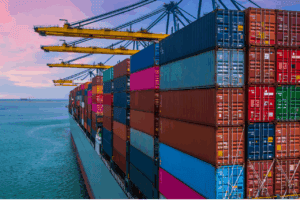
A New Way to Get Paid: What Standard Bank’s RMB Clearing Role Means for SA Exporters
China’s central bank has picked Standard Bank and ICBC to handle Chinese currency (RMB) payments[...]
View ReportJun
Why choose TreasuryONE
-
Deep Expertise: Our team offers over 150 years of combined financial experience.
-
Cost-Efficient: Outsourced risk management cuts costs by sharing our expertise, systems, and scale.
-
Fair FX Pricing: We understand how banks price and use that knowledge to secure fair, competitive rates.
-
Technology-Led: Real-time insights and robust reporting via advanced treasury systems and analytics.
-
Proactive Support: We offer consistent updates, strategic advice, and timely hedging recommendations.